“`html
Mastering the Art of Fishing in Low Light Conditions
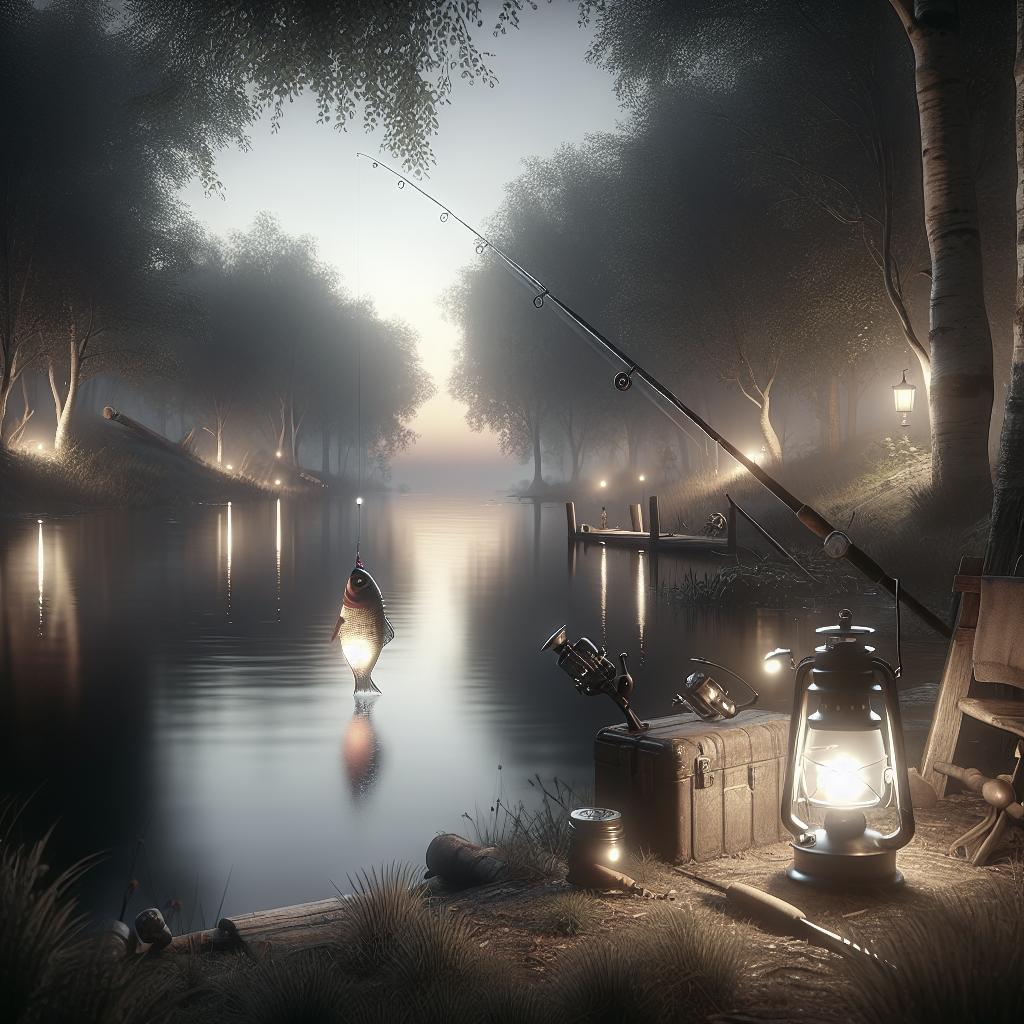
Fishing in low light conditions can be both challenging and rewarding for anglers. The decreased visibility often means reduced pressure from other fishermen and the potential for high activity from fish as they move in search of food. Whether you’re angling at dawn or dusk, these prime times offer unique opportunities if equipped with the right knowledge and gear. In this comprehensive guide, we’ll delve into effective techniques such as starting with a buzzbait, using walking topwater plugs, and utilizing jerkbaits. Understand how to predict fish movements and why confidence in fishing what you can’t see is key. Although sunlight can impact strategy, we’ll discuss when switching tactics to options like the “Kermit” can yield results. Let’s embark on enhancing your fishing experience in low light.
Get off to a quick start with a buzzbait
Buzzbaits are essential tools when fishing in low light. Their ability to create commotion on the water’s surface can draw predatory fish from a distance. During early mornings or late evenings, when visibility is limited, a buzzbait’s distinct sound and motion can entice instinctive strikes from fish eager to feed before brighter conditions prevail.
To optimize the use of a buzzbait, it’s crucial to maintain a steady retrieve immediately after the lure hits the water. This ensures the blades continue to churn effectively, emitting the vibration and sound that fish are drawn to. Whether you’re casting in open water or along structures, this technique can facilitate a more productive fishing session during times when fish sense an increase in activity in their environment.
Cover water with a walking topwater plug
When it comes to drawing the attention of fish in low light, covering extensive water is fundamental. Walking topwater plugs offer a dynamic alternative to achieve this. The zig-zag motion and splashing noise such plugs produce simulate prey scurrying across the surface, appealing to hungry gamefish lurking below.
The key in employing this type of lure is to vary your retrieve speed and pauses. Fish are often enticed by erratic movements; altering tempo can simulate a wounded or panicked prey, increasing the likelihood of a strike. This makes walking topwater plugs particularly effective across vast and less-defined fishing areas, where searching multiple locations quickly becomes advantageous.
First things first: Where in the world do they go?
Understanding fish movements during low light conditions starts with knowing their preferred hangout spots. Fish tend to gravitate towards areas where they can easily ambush prey, such as underwater structures, docks or the periphery of aquatic vegetation. In twilight and dusk, these areas often become convergent zones for feeding fish.
Observing water temperature, current patterns, and wind direction can provide further clues to hotspot identification. Employing tools like fish finders can also dramatically enhance your ability to pinpoint areas of high activity. By honing your knowledge of fish behaviors, you set a foundation to strategically target them despite the challenges presented by low light scenarios.
Don’t be afraid to fish what you can’t see
A significant hurdle when fishing in dim light is the fear of casting into unseen areas. However, taking risks and adapting to fishing in obscured environments can yield impressive results. Just because you can’t see below the water’s surface does not mean the fish aren’t there.
Confidence is crucial; trust in your gear and instincts when approaching indiscernible water. Paying attention to subtle auditory cues in the environment, such as splashes or other natural sounds, can guide you where to cast. This tactic not only increases your chances of success but also enhances your overall angling proficiency during low visibility.
A jerkbait can be a major equalizer
Jerkbaits can be instrumental in evening the odds against low light conditions. Characterized by their lifelike appearance and action, they mimic the erratic swim of injured prey, making them irresistible to fish. Jerkbaits are best utilized for targeting suspended fish that are otherwise difficult to reach with traditional lures.
To effectively fish a jerkbait, it’s important to implement a consistent twitch-pause retrieve. This erratic yet realistic movement convinces fish that a freely available meal is at hand. When fished in low light, it’s vital to maintain tactile connection with the line to detect subtle bites that otherwise might be missed. With practice, this approach can significantly maximize your catch rate.
Break out Kermit when the sun gets high
As the sun rises and begins to illuminate the waters, it’s time to rethink tactics. This is when “breaking out Kermit,” or using frog lures, can be an excellent strategy. These topwater substitutes excel in mimicking the small amphibians that fish find particularly enticing during warmer, sunlit periods.
Frog lures are especially effective when fished over mats of grass or in shallow, vegetation-rich areas. The realistic movement and profile of these lures become increasingly noticeable as visibility improves. Their buoyancy and snag resistance help anglers avoid underwater obstacles, making them perfect for seeking out hiding fish in clearer conditions.
Walker Smith
Walker Smith is an acclaimed angler and writer with extensive experience in fishing under various conditions. His insights into mastering low light fishing are born from both hands-on experience and thorough study of fish behavior. With a passion for angling education, Walker’s tips and tricks have helped numerous fishermen enhance their skills and success on the water.
Next Steps
Whether you’re a seasoned angler or a newcomer, embracing diverse tactics and staying adaptive can drastically improve your fishing outcomes in low light. Each technique mentioned offers a valuable tool in your fishing arsenal, and application may vary based on environmental nuances. Begin practicing these strategies to develop a deeper understanding of how conditions influence fish behavior, and apply this knowledge to refine your fishing experience. Below is a summary of key aspects covered:
| Technique | Description |
|---|---|
| Buzzbait | Creates surface commotion to attract fish via sound and motion. |
| Walking Topwater Plug | Utilizes zig-zag movement to mimic prey, covering extensive water. |
| Fish Movements | Identifies hotspots based on structure and environmental factors. |
| Confidence in Casting | Encourages casting into unseen waters by relying on instincts and cues. |
| Jerkbait | Uses erratic motion to mimic injured prey, targeting suspended fish. |
| Kermit (Frog Lures) | Effective in sunlit conditions, imitating amphibians in vegetation. |
“`