“`html
Introduction: How to Go Spearfishing and Be Safe and Responsible
Spearfishing, an ancient practice with modern appeal, is as captivating as it is challenging. The thrill of underwater hunting offers an intimate connection with the marine environment. Yet, with this privilege comes significant responsibility. This guide aims to equip you with the knowledge needed to spearfish responsibly, ensuring both personal safety and environmental preservation. We’ll cover crucial aspects like health and safety, executing humane shots, adhering to legal regulations, and mastering the necessary techniques and equipment. Whether you’re new to spearfishing or have some experience, these insights will enhance your journey, promoting sustainable practices that honor our oceans. Dive in as we explore the different components of responsible spearfishing.
Step 1: Health and Safety
Spearfishing is an exhilarating activity that also presents considerable risks. Understanding these risks and preparing accordingly is crucial. First and foremost, ensure you are physically fit and comfortable in the water, as swimming against currents and diving deep can be taxing even for experienced swimmers. A health check-up can ascertain your readiness for such physical demands.
Alongside physical preparation, equip yourself with safety gear. A divers flag is essential for signaling your presence to nearby boats, while the buddy system, whereby you and a partner watch out for each other, greatly mitigates the risks associated with ocean currents and underwater disorientation. Additionally, familiarize yourself with basic first-aid techniques pertinent to spearfishing-related injuries.
Consider also the weather and water conditions. Avoid rough seas or areas known for strong currents and inform someone on land about your plans, including the expected return time. Lastly, never push beyond your limits; underwater confidence comes with practice, patience, and respect for nature’s power.
Step 2: Ensuring a Humane Shot
A critical aspect of spearfishing is ensuring ethical and humane practices. Your shot should aim for a quick capture to minimize stress and suffering to the fish. This requires precision and patience; wait for the perfect moment when the target is within a reasonable range and correctly aligned.
Practice honing your accuracy on land using inert targets before venturing into real-life scenarios. Moreover, understanding fish anatomy can significantly improve shot placement which leads to quicker kills. A poorly placed shot can result in unnecessary suffering or loss of prey, which is both unethical and wasteful.
Respect your catch by deciding beforehand what you will do with it; taking only what you need prevents overfishing and fosters sustainability. Different regions have cultural methods for preparing fish post-capture; educate yourself on these to further honor the ecosystem and the life it supports.
Step 3: Responsible Behaviour
Being a responsible spearfisher involves practicing mindful behavior both in and out of the water. Conservation-minded actions not only protect marine environments but also enhance your personal spearfishing experience. This entails recognizing the boundaries of marine species, particularly during breeding seasons, and avoiding disturbances in protected areas.
Contribute to marine conservation efforts by participating in clean-up dives or supporting organizations dedicated to preserving marine habitats. Removing debris while you spearfish can enhance the well-being of the ocean environment.
Additionally, share your knowledge of responsible spearfishing with peers and newcomers to the sport. Fostering a community centered on ethical practices and appreciation for marine life helps ensure the sustainability of spearfishing for future generations.
Step 4: Legal Aspects
Understanding and adhering to the legal nuances of spearfishing are critical. Regulations about allowable species, seasonal bans, and equipment types vary globally and sometimes even within regions, necessitating thorough research before heading out.
Consult local fisheries departments or conservation authorities to stay informed about the legal mandates pertinent to your chosen spearfishing location. Compliance ensures both individual safety and the perpetuation of marine species through sustainable practices.
Finally, possess the appropriate licenses or permits required for spearfishing in your area. These often necessitate a demonstration of responsible practices and knowledge about local marine laws, further contributing to the protection and longevity of underwater ecosystems.
Step 5: Equipment Required
The right gear is essential for a successful spearfishing trip. At the core is the spear gun or pole spear, each with unique benefits that depend on personal preference and target species. When choosing one, consider factors like operational ease and power requirements.
Beyond the primary weapon, gear such as wetsuits, masks, fins, and weight belts enhance underwater efficiency and protection against environmental hazards. Each piece should be chosen carefully, considering comfort and durability amidst prolonged water exposure.
Safety gear, previously mentioned, also includes items like a dive knife for potential snags or trespass, and a whistle for emergencies. Never compromise on quality for cost when it comes to equipment, as robust gear enhances both safety and the overall experience.
Step 6: Spearfishing Technique
Effective spearfishing technique maximizes efficiency and minimizes wasted energy or opportunity. Begin by mastering the art of free diving, focusing on breath control and fluid movement to reduce water disturbance, which can alert and scare away potential catches.
Positioning is another critical skill; approach fish from below or at eye level to avoid appearing threatening, and use natural underwater features to conceal your presence. Precision and quietness are your allies in the underwater hunting environment, where every movement is amplified.
Lastly, practice patience. Impulsive actions often lead to missed opportunities and uninformed decisions that may hinder your catch or lead to unforeseen risks. Learn to read the water and your prey for a more informed and successful spearfishing trip.
Step 7: Spearfishing Video Tutorial (15 Minutes)
Visual demonstrations can effectively complement textual instructions, particularly for complex skills like spearfishing. A well-produced video tutorial provides insights into techniques and best practices that words alone may struggle to convey, allowing you to visualize nuanced movements and setups.
Look for videos created by experienced spearfishers who focus on responsible practices. These tutorials can cover vital areas from equipment setup, free diving pointers, and producing an accurate shot, all while emphasizing sustainability and ethical behavior.
A recommended tutorial should last around 15 minutes, balancing time and depth, to empower you with the skillset needed for a productive and responsible spearfishing adventure.
Step 8: A Few More Random Photos
Photographs can capture the beauty and drama inherent in spearfishing, sparking inspiration for enthusiasts. Besides acting as a visual record of catches or experiences, underwater photos bring awareness and appreciation for marine biodiversity.
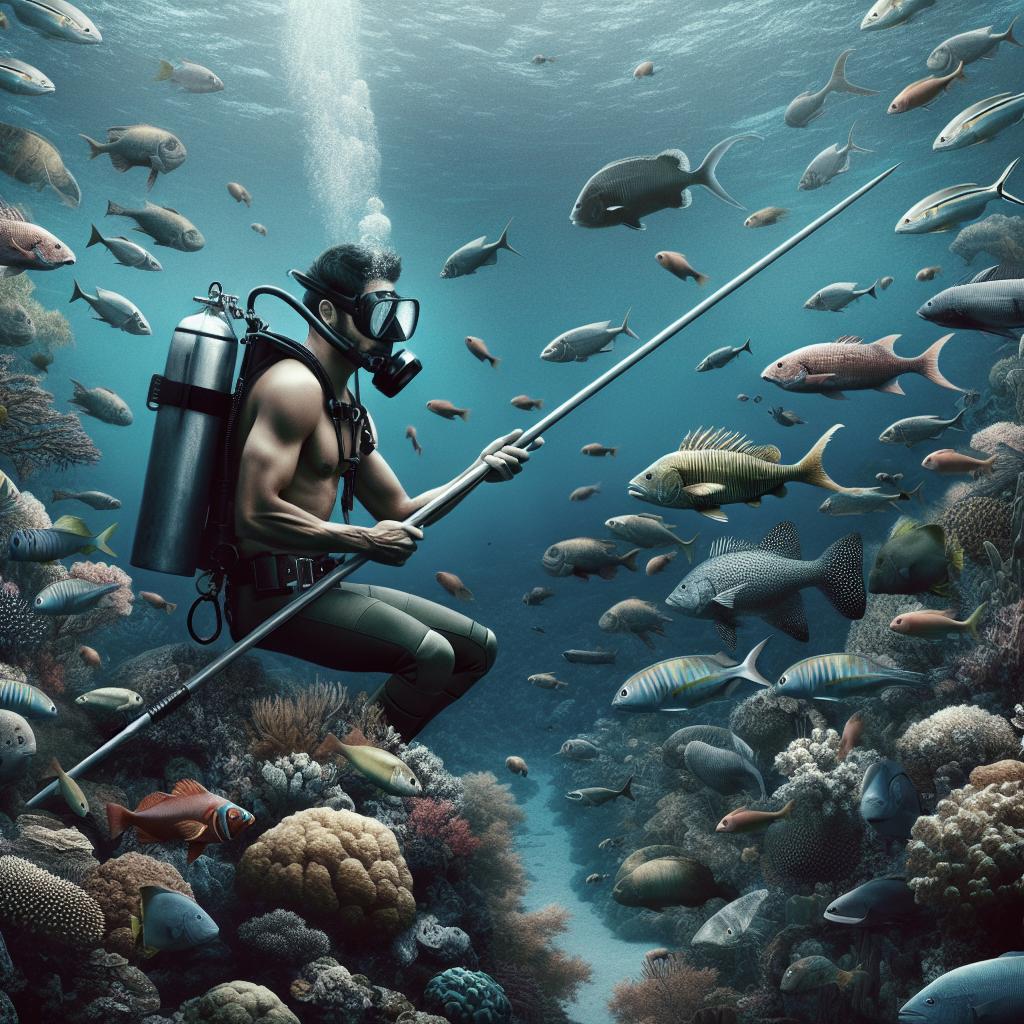
Include photos of ideal spearfishing moments, such as selecting the right equipment, observing marine life responsibly, and demonstrating proper techniques. Each photo should aim to inspire while educating viewers about the wonders and responsibilities of spearfishing.
Engage with responsible spearfishing communities to share images that highlight the sport’s environmental consciousness and beauty. Such imagery can foster greater connection and appreciation for underwater worlds beyond our immediate reach.
Summary of Main Points
| Aspect | Summary |
|---|---|
| Introduction | Overview of responsible spearfishing importance and outline of guide content. |
| Health and Safety | Importance of health checks, safety gear, buddy systems, and environmental awareness. |
| Humane Shot | Ensures ethical spearfishing through precise targeting and respect for marine life. |
| Responsible Behaviour | Emphasizes conservation and community sharing in spearfishing practices. |
| Legal Aspects | Importance of adhering to local regulations and possessing proper permits. |
| Equipment Required | Essential spearfishing gear considerations, focusing on quality and suitability. |
| Spearfishing Technique | Free diving, patience, and precise positioning techniques to boost effectiveness. |
| Video Tutorial | Advantages of using video tutorials to understand practical and responsible practices. |
| Photos | Role of engaging photographs in fostering appreciation and awareness of marine life. |
“`