“`html
The Rich History of Fishing
Fishing is an age-old practice that has played a significant role in human survival and cultural development. From its humble beginnings thousands of years ago, fishing has evolved into a diverse and multifaceted activity enjoyed by many people worldwide. This blog post delves into the history of fishing, exploring its origins, the introduction of nets and fishing rods, as well as its transformation into a popular recreational pursuit. We will also take a look at various types of fishing, and what it takes to be a successful fisherman today. Join us on a journey through time to discover the fascinating evolution of fishing.
THE BEGINNING OF FISHING
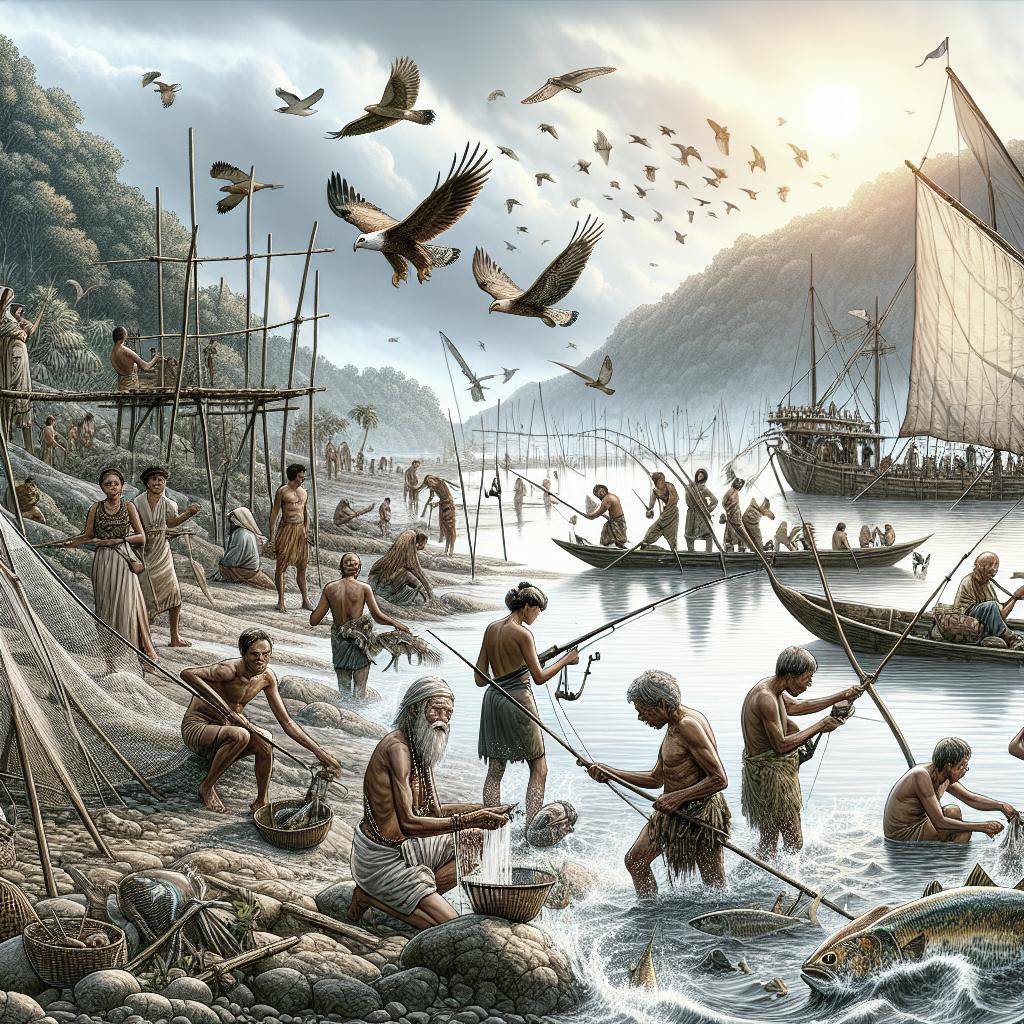
The history of fishing is as old as human civilization. Archaeological evidence suggests that fishing was a principal source of food for prehistoric humans. As early as 40,000 years ago, primitive fishing methods such as spearing and gathering fish with bare hands were common. These techniques were largely dictated by local conditions and the availability of natural resources.
As societies developed, the use of more sophisticated tools became common. Early fishing implements were made from materials like bone, stone, wood, and plant fibers. The Mesolithic period marks a significant development in fishing techniques, with evidence of hooks crafted from bone and thorn. Such advancements laid the foundation for the evolution of fishing practices.
NETS BECAME POPULAR IN THE 1800S
The use of nets revolutionized fishing methods in the 1800s. Nets, which were likely used in ancient times, became more sophisticated and widespread during this era. They allowed fishermen to catch larger quantities of fish more efficiently than ever before. The development of trawling and seine nets during this period had a profound impact on the commercial fishing industry.
Fishnets were woven through a labor-intensive process, using natural fibers like hemp and cotton. The introduction of synthetic fibers in the mid-20th century further enhanced the durability and effectiveness of nets, solidifying their importance in the fishing industry. Nets played a crucial role in feeding growing urban populations during the industrial revolution.
FISHING RODS WERE INVENTED IN THE EARLY 1900S
Fishing rods, as we recognize them today, began to take shape in the early 1900s. Before this, poles were often improvised from locally available materials. The introduction of fly rods in this period allowed for greater flexibility and range, ultimately changing the nature of fishing itself.
Advancements in materials, such as the introduction of fiberglass and carbon fiber in later years, have continually improved the design, strength, and weight of fishing rods, making them more durable and easier to use. This innovation made fishing a more accessible and enjoyable pastime for both professionals and amateurs alike.
FISHING AS A RECREATIONAL ACTIVITY
Over time, fishing evolved into a cherished recreational activity enjoyed by people of all ages. By the mid-20th century, recreational fishing became a popular pastime around the world. People began fishing not just for sustenance, but for relaxation, sport, and adventure.
Clubs, associations, and competitions began to spring up, turning fishing into a hobby and competitive sport. The rise of fishing tourism saw people traveling to famed fishing spots, further boosting the popularity of fishing as a leisure activity. Today, fishing is a beloved pursuit for millions, providing a connection to nature and an opportunity for contemplation.
TYPES OF FISHING
Freshwater fishing
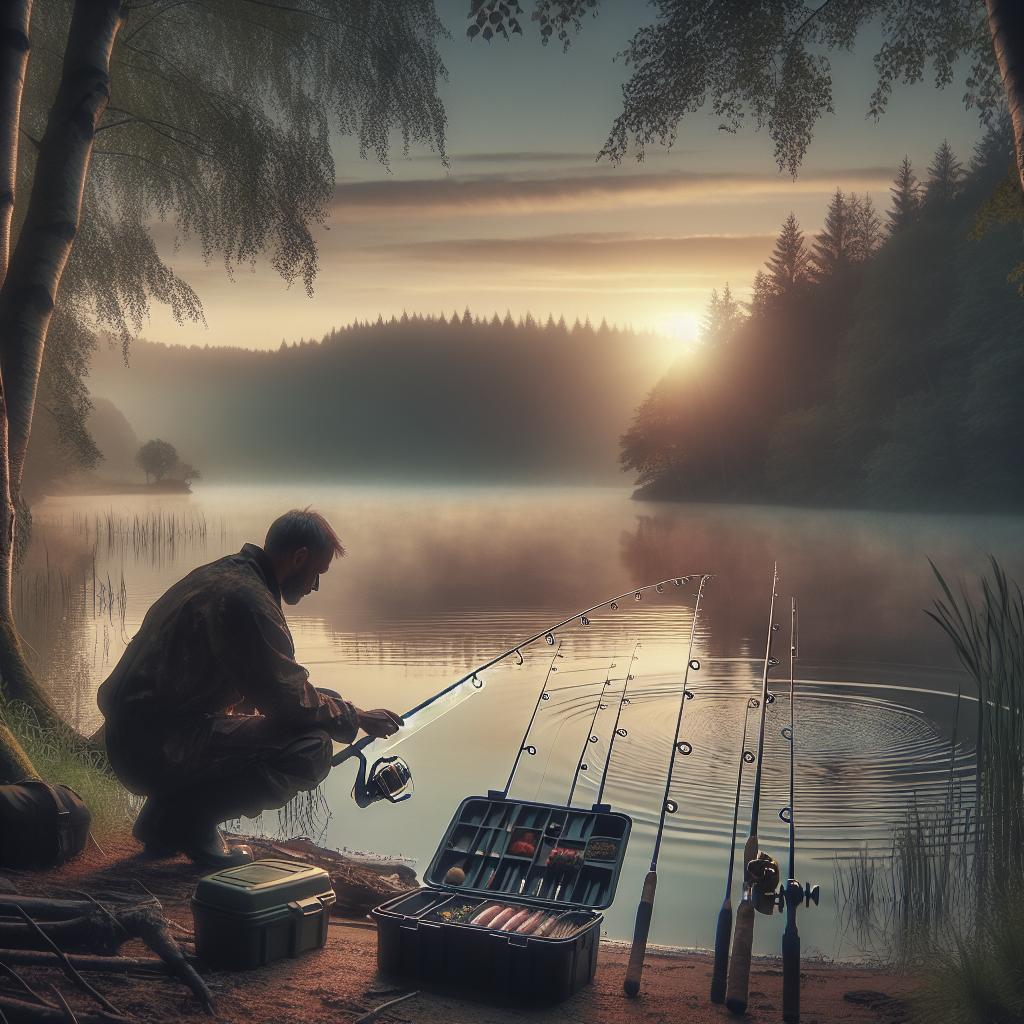
Freshwater fishing takes place in lakes, rivers, and streams. Anglers target fish such as bass, catfish, and trout within these bodies of water. The techniques used in freshwater fishing can vary depending on the species being targeted and the location, ranging from fly fishing to using baited hooks.
The accessibility of freshwater sites makes this type of fishing a popular choice for beginners and families. Equipment needed for freshwater fishing can be quite basic, making it an inviting entry point for many enthusiasts.
Saltwater fishing
Saltwater fishing occurs in oceans and seas, providing anglers with a chance to catch larger and more diverse species. Deep-sea fishing, in particular, is a thrilling experience that involves heading offshore in pursuit of big game fish like marlin and tuna.
Inshore saltwater fishing, on the other hand, targets species such as redfish and snook closer to the shore. This is a great way to enjoy the coastal environment without venturing far from land, offering easy access to those living near the coast.
Fly fishing
Fly fishing is a specialized method of fishing that uses lightweight lures or “flies” to catch fish. This technique is often employed in freshwater environments and is known for its artistic and graceful approach.
Fly fishing requires a unique set of skills and equipment, including a specific type of rod, reel, and specialized line. While it can be challenging for beginners, many find fly fishing to be a rewarding and meditative experience.
Ice fishing
Ice fishing is a form of fishing where anglers fish through holes in ice-covered water bodies. This activity is predominantly practiced in cold regions with frozen lakes and rivers, primarily targeting species like perch and walleye.
Ice fishing requires specialized equipment, including ice augers and shelters to provide protection from harsh weather conditions. It’s a social and community-focused activity that draws people together during the winter months.
Rock fishing
Rock fishing involves fishing from rocky outcrops along the coast. It is a challenging and adventurous pastime due to the rugged terrain and the unpredictable nature of waves and tides.
Anglers value rock fishing for the opportunity to catch species like snapper and bream. Safety is paramount in rock fishing, requiring knowledge of the ocean and the use of protective gear to mitigate risks.
WHAT’S NEEDED TO BE A GOOD FISHERMAN?
Being a successful fisherman requires a combination of skills, knowledge, and patience. Understanding the habits and habitats of different fish species is essential, as it informs the technique and equipment used. Additionally, familiarity with local environments, including weather and water conditions, can greatly enhance one’s chances of success.
Patience and perseverance are perhaps the most vital traits a fisherman can possess. Fishing often requires long hours with little action, demanding a cool head and a strategic mindset. Embracing the natural environment and remaining adaptable to changing circumstances are also key aspects of mastering the art of fishing.
Final Thoughts
| Period | Development |
|---|---|
| Prehistoric Era | Basic spearing and gathering techniques; development of hooks from bone and thorn. |
| 1800s | Widespread use of nets; introduction of trawling and seine nets. |
| Early 1900s | Invention of modern fishing rods; advancements in materials like fiberglass and carbon fiber. |
| Mid-20th Century | Rise in recreational fishing; growth of fishing tourism and competitive events. |
Fishing has transitioned from a crucial survival skill to a revered cultural and recreational activity. Its history is a testament to human innovation and adaptability. Understanding the evolution of fishing enhances our appreciation for this timeless pursuit, whether one’s interest lies in sport, relaxation, or sustenance.
“`