“`html
How to Keep Fish Fresh While Fishing
Ensuring that your fish remains fresh from the moment you catch it until it’s ready to be cooked is crucial for preserving its quality and flavor. This blog post will guide you through the best practices for maintaining the freshness of your catch. From preparation before the trip to transporting the fish home, kitchen processing, and freezing methods, we’ll cover all the essential details. We’ll also provide exclusive tips for fishing in St. Petersburg, Florida, to enhance your fishing experience.
Why Is It Essential to Properly Store Fish after Catching Them?
Proper storage of fish after catching them is essential for myriad reasons. Firstly, correct storage methods preserve the flavor and quality of the fish, ensuring that the taste is as delightful when cooked as it was fresh from the water. Without proper storage, you’re more likely to notice an unpleasant fishy smell and taste, as decomposition begins to set in quickly.
Secondly, fish are highly perishable and can spoil rapidly if not stored under the right conditions. This is especially important to consider during warmer weather when bacteria multiply more quickly. Proper storage reduces the risk of foodborne illnesses associated with consuming spoiled fish, thereby protecting your health.
Lastly, thoughtful storage practice is a matter of respecting your catch. Fishermen put in significant effort to catch fish, and maintaining their quality is a way to honor both the process and the environment from which they are harvested. Ethical fishing and storage practices contribute to sustainability and responsibility in fishing activities.
Be Prepared
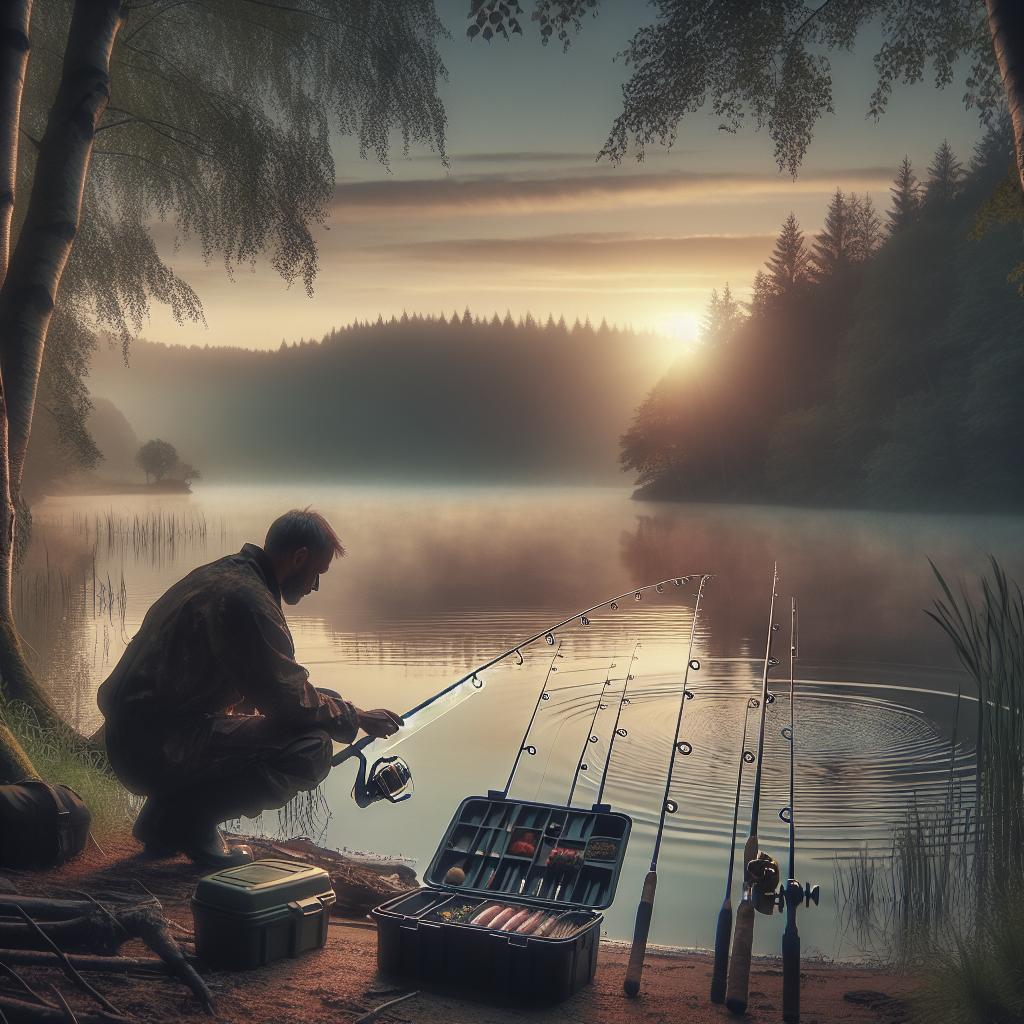
Preparation is key to ensuring you can keep your fish fresh once caught. Before heading out on your fishing trip, gather all necessary equipment to safely and effectively store your fish. This includes a good quality cooler, ice packs, or loose ice, and suitable containers or fish bags designed to keep water leakage to a minimum.
Additionally, familiarize yourself with the local regulations concerning fish size and limits. This ensures you only bring home what’s permissible and contributes to sustainable fishing practices. Be sure to have a fishing license if required, and carry a measuring tape or ruler for on-the-spot verification.
It’s also wise to have a plan in place for cleaning your fish as soon as possible. Carrying basic cleaning tools like a gutting or filleting knife and a cutting surface can be invaluable. Often, quicker cleaning leads to better preservation and taste. Hence, having all tools ready before you venture out is crucial for success.
Option 2: Put The Freshly Caught Fish Directly On Ice
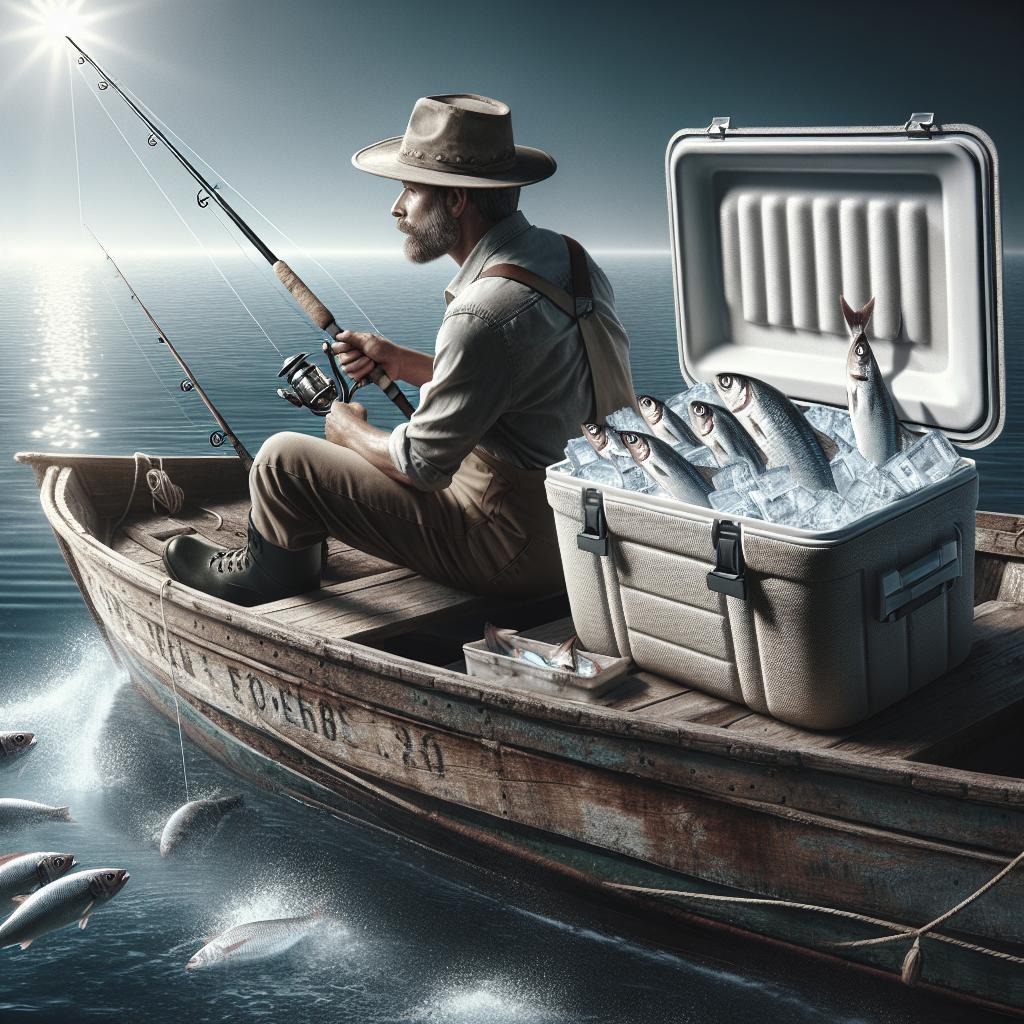
One of the simplest and most effective ways to keep your fish fresh is to place them directly on ice after you catch them. The method immediately lowers the fish’s temperature, helping to prevent bacteria growth and spoilage. A layer of ice both above and below the fish ensures that the cool temperature is maintained evenly.
When arranging the fish in your cooler, make sure to lay them flat. This helps prevent bruising or damaging the fish, thus preserving the texture and appearance. It’s also a good practice to periodically drain the meltwater from your cooler to keep the environment as cold and dry as possible.
Ice itself can come in various forms, from traditional cubes to packs or block ice which melts slower and offers a longer cooling period. Each type of ice has its place, and carrying a combination may cover all bases depending on the length of your trip and the weather conditions.
Transporting Fish From the Fishing Charter to Your Home
Use Plastic Bags
Transporting fish from the charter to your home can be streamlined by using plastic bags. These bags help to contain both the fish and the ice, reducing the risk of melted water leaking and ensuring that the cold temperature is maintained. Make sure to use food-grade, airtight bags for optimal results.
Bagging each fish individually provides extra protection. It prevents contact between fish, reducing the risk of cross-contamination should any fish begin to spoil quicker than expected. It also allows for easy organization based on size or type of fish which can be convenient for processing later.
Invest in a Good Cooler Box
A quality cooler box is indispensable for transporting fish over longer distances. Look for one with excellent insulation to minimize cold air loss, as well as a drainage spout for easy removal of meltwater. Hard-shell coolers offer additional protection against accidental bumps during transport.
Ensure your cooler is pre-chilled before adding your fish. This prevents the ice from having to work double duty to cool the fish and the cooler, conserving its lifespan. Organize your fish in layers with ice in between to maintain an evenly cooled environment throughout the journey.
Kitchen Processing and Frozen Fish Tips
Fish in the Refrigerator
For fish you plan to eat within a day or two, storing them in the refrigerator is often sufficient. Make sure your refrigerator is set to 32°F to 39°F (0°C to 4°C), which will help to maintain fish freshness. Use airtight containers or wrap the fish in wax paper, foil, or a sealant bag to contain the natural moisture.
It’s beneficial to keep the stored fish on a bed of ice within the refrigerator to prolong its freshness further. Be sure to drain any meltwater regularly and replenish ice as needed. If possible, place the fish in the coldest part of the refrigerator to maximize shelf life.
Fish in the Freezer
For longer-term storage, freezing is the best option. Fish should be cleaned and portioned before freezing to make thawing and cooking more manageable. Vacuum-sealing is an excellent way to prevent freezer burn and lock in freshness, but if a vacuum sealer is unavailable, double-wrapped plastic or freezer paper can suffice.
Labeling each package with the type of fish and date of freezing helps you keep track of storage times; ideally, fish should not be kept in the freezer for longer than six months. Thaw fish slowly in the refrigerator before use to maintain texture and flavor integrity.
Next Steps
| Step | Key Tips |
|---|---|
| Preparation | Gather tools, check local regulations, and plan for immediate cleaning. |
| Storage on Ice | Use both above and below ice layers and ensure periodic draining. |
| Transportation | Use plastic bags and efficient cooler boxes to maintain temperature. |
| Refrigeration | Keep at 0°C to 4°C in airtight containers, using a bed of ice. |
| Freezing | Clean and portion fish, use vacuum-seal or double-wrap for six months or less. |
More Fishing Tips for St. Petersburg, Florida
St. Petersburg, Florida, offers an abundance of fishing opportunities due to its rich marine biodiversity. Knowing local fishing hotspots, the best times for certain fish types, and the required gear can enhance your overall fishing experience. It’s essential to be informed about local fish species found on the Gulf Coast and comply with the legal regulations and environmental guidelines.
Whether fishing on a charter boat or from the shore, understanding the tide patterns can significantly affect the desired catch results. Consider reaching out to local guides or fishing communities for tips unique to the area. Proper gear adjustment and bait selection tailored to the desired species can increase efficiency and yield.
“`