“`html
The Basics of Bottom Fishing
Welcome to the comprehensive guide on bottom fishing, an often enjoyable and rewarding technique used by anglers to catch fish that dwell at the lowest levels of a body of water. This blog post delves into the fundamental techniques of bottom fishing, explores best applications for successful catches, and contrasts it with troll fishing to help you determine which method might be right for you. Along the way, we’ll share insights through Dave Wei’s tips on catching Ling Cod, giving you practical advice to enhance your fishing experience. Let’s dive into these fishing methods to equip yourself with the skills and knowledge needed to excel on your next fishing adventure.
The Basics of Bottom Fishing
Basic Technique
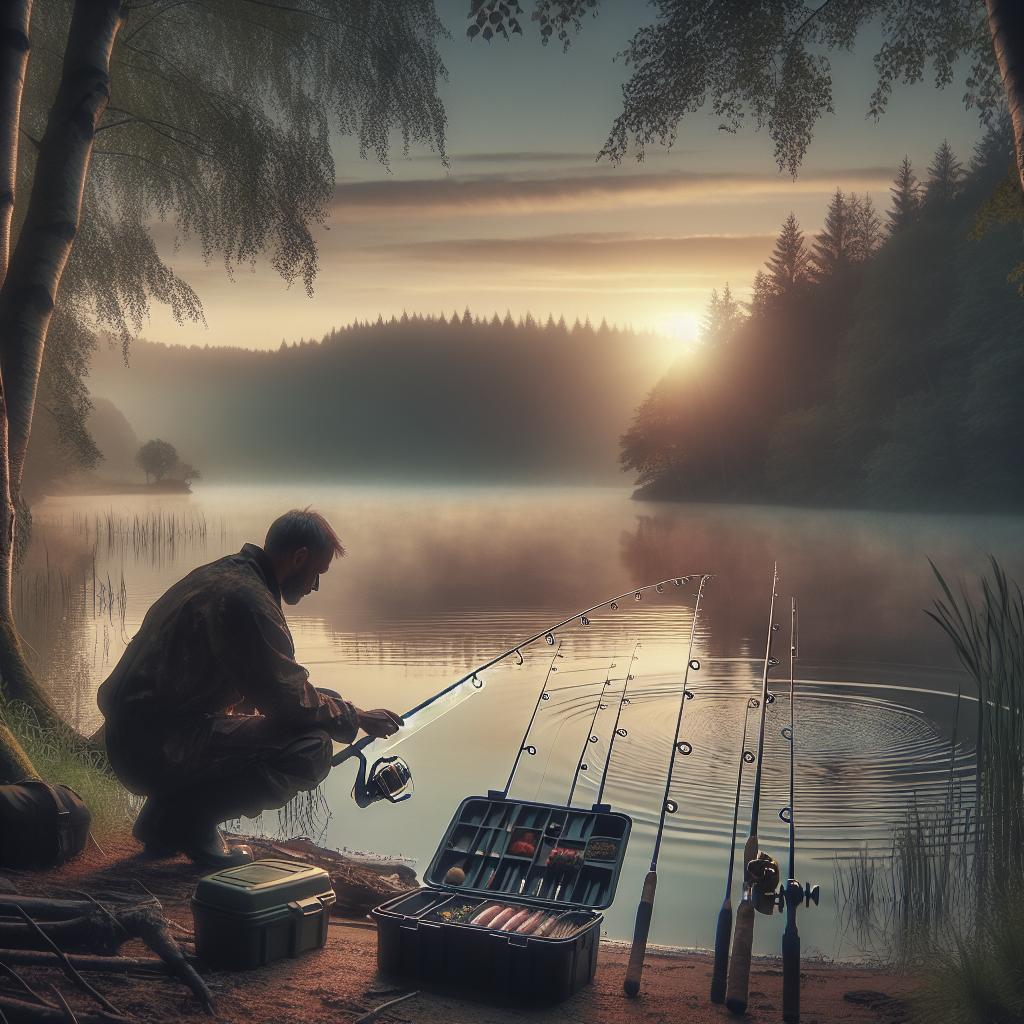
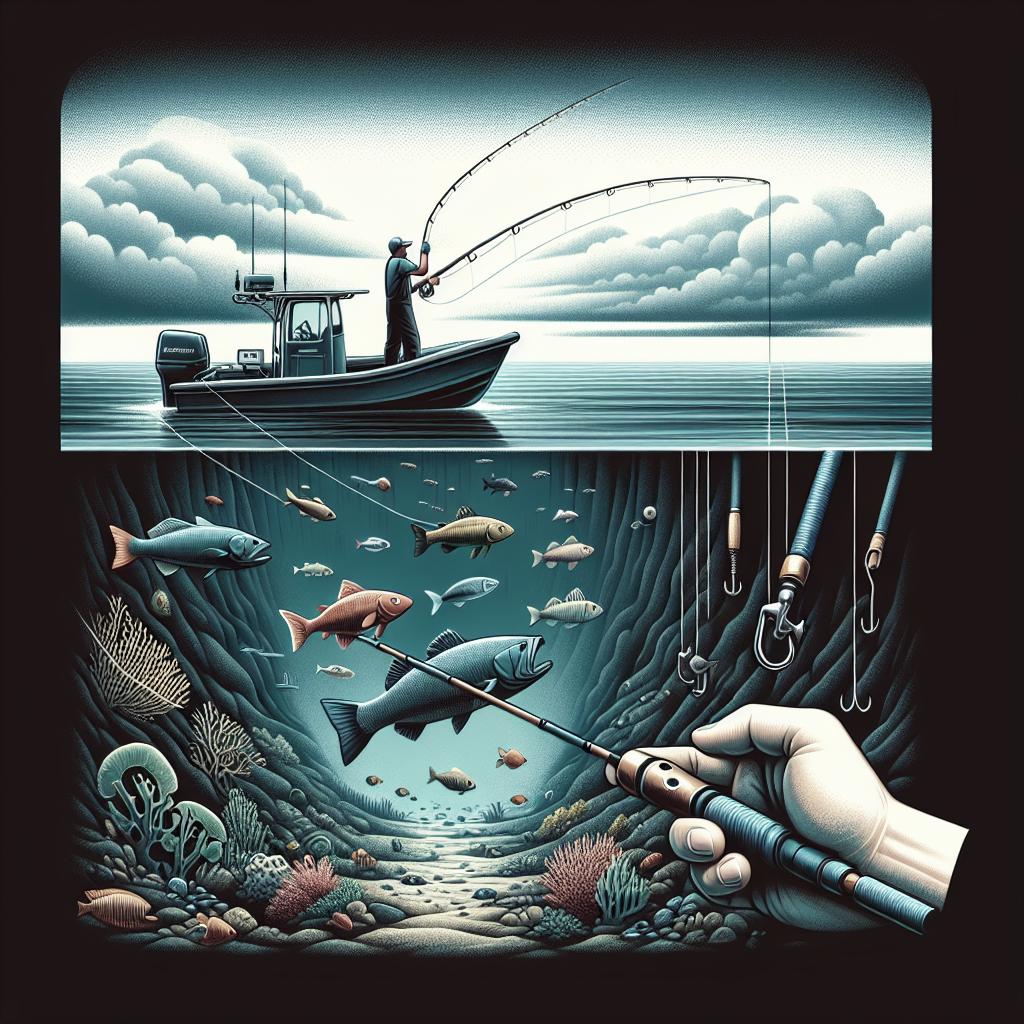
Bottom fishing is a straightforward fishing method aiming to catch fish that reside on or near the bottom of a body of water. The basic setup includes a sinker to hold the bait down, along with a hook. The sinker’s role is crucial as it weighs down the line, ensuring that the bait reaches the target depth. Depending on the water conditions and the targeted species, anglers may vary the weight of the sinker to optimize their chances of a catch.
Anglers often opt for a rod and reel that provide enough sensitivity to detect subtle bites. This is important because fish like flounders and catfish, common targets of bottom fishing, may not create noticeable bites. For best results, it’s vital to allow the bait to rest tantalizingly close to the bottom while maintaining continuous tension on the line to detect bites. Once a fish takes the bait, a quick and firm upward jerk sets the hook effectively.
Best Applications
Bottom fishing is versatile, making it suitable for various environments, including rivers, lakes, and oceans. This method is particularly effective for catching fish species that feed along the sea or river bottoms. These include sought-after species like cod, halibut, groupers, and certain types of catfish. In deeper and murky waters, where visibility is low, bottom fishing becomes even more essential as it exploits the natural habitats where these bottom dwellers reside.
Another application is in unpredictable conditions where the presence of currents or rough waters makes surface fishing challenging. By anchoring the bait at the bottom, anglers can maintain greater control over their lines, ensuring that their bait remains in productive fishing zones. This method also allows for multi-hook setups, enhancing the probability of landing multiple fish in a single outing.
Dave Wei and Ling Cod
Dave Wei, a seasoned angler known for his bottom fishing proficiency, specializes in catching Ling Cod, a challenging and highly valued species. Ling Cod are predatory fish known for their aggressive behavior and tendency to dwell near rocky bottoms and undersea structures. Dave’s approach involves using hefty tackle and sturdy lines to withstand the powerful thrashing of Ling Cod and the rough terrains they inhabit.
In terms of bait, Dave Wei emphasizes using fresh bait, such as squid or cut herring, to entice Ling Cod. He advocates for a patient approach, where allowing the bait to settle and remain motionless can be more effective than constant movement. By studying the fish’s behavior and the structures they favor, Dave Wei increases his success rate and demonstrates the value of preparation and adaptability in bottom fishing.
The Basics of Troll Fishing
Basic Technique
Troll fishing is an active fishing method used to catch fish by dragging bait or lures through the water, often while the boat is moving. This method involves strategically using lines with attached lures or baited hooks, which are positioned at varying depths to attract different species of fish. The movement of the boat helps simulate the swimming action of prey, catching the attention of predator fish.
The setup for trolling involves using rods with the capability to handle the pull of long lines and heavy lures. Trolling motors are frequently employed to maintain steady speeds, giving anglers control over the presentation of their lures. Depending on the target species, anglers might use downriggers or planers to achieve desired lure depths. The technique relies heavily on the angler’s ability to manipulate boat speed, path, and lure types to maximize catch potential.
Best Applications
Troll fishing is advantageous in large bodies of water where covering more ground is beneficial. This makes it ideal for saltwater environments like the open ocean, where game fish such as salmon, tuna, and marlin are found. Trolling’s dynamic nature is suited for targeting migratory fish, often enabling anglers to track potential catches effectively over vast distances.
In freshwater settings, trolling is used for species like walleye and lake trout. The ability to adjust the depth and speed allows anglers to match their tactics according to fish behavior patterns, seasons, and locations. This flexibility, along with the opportunity to experiment with various lures and baits, makes troll fishing not only strategic but also exciting for anglers seeking an active fishing style.
Which Is Right for You?
Choosing between bottom fishing and troll fishing largely depends on your interests, the species you wish to catch, and your preferred fishing environment. Bottom fishing is ideal if you enjoy a more patient and strategic approach, focusing on bottom-dwelling species in various water bodies. Additionally, it’s a rewarding method for those who appreciate a stronger connection with quieter, serene fishing activities.
On the other hand, if you’re gearing up for a more fast-paced experience and want to cover large expanses of water quickly, troll fishing offers the dynamic action you seek. It’s suitable for open water environments and targeting schooling fish or large predator species that are on the move. Ultimately, both methods have their unique appeal, and often, exploring both can offer a well-rounded fishing experience.
Final Thoughts
Whether you find yourself drawn to the allure of bottom fishing or the thrill of trolling, each method offers rewarding experiences and opportunities to learn. Both require different skills, equipment, and approaches, but what unites them is the passion and enjoyment they bring to anglers. Exploring these methods expands one’s fishing expertise and enriches your time spent on the water.
| Aspect | Bottom Fishing | Troll Fishing |
|---|---|---|
| Basic Technique | Uses sinkers to reach bottom, focusing on stationary bait presentation | Utilizes moving bait/lures to attract fish over large areas |
| Best Applications | Ideal for targeting bottom-dwellers like cod and catfish in stable conditions | Best for open water and migratory species like tuna and salmon |
| Preferred Environment | Rivers, lakes, and coastal waters | Large bodies of water, ocean |
| Notable Techniques | Adjust sinker weight, assess water currents | Control boat speed, depth adjustments |
| Target Species | Halibut, Ling Cod, Catfish | Marlin, Walleye, Trout |
“`