“`html
How to Enjoy Fishing Without Catching
Fishing is a timeless activity that offers more than just the thrill of the catch. For some, the joy of fishing lies in the serenity of the surrounding environment and the time spent bonding with nature. This guide is designed for those who are new to fishing and want to learn the essentials of the sport without the focus on catching fish. Over the next sections, we will explore ten practical tips to enhance your fishing experience. By the end of this article, you’ll be well-equipped to appreciate the subtle art of fishing, regardless of what ends up on your line.
10 Tips on How to Fish for Beginners
1. Fishing Lure Colors
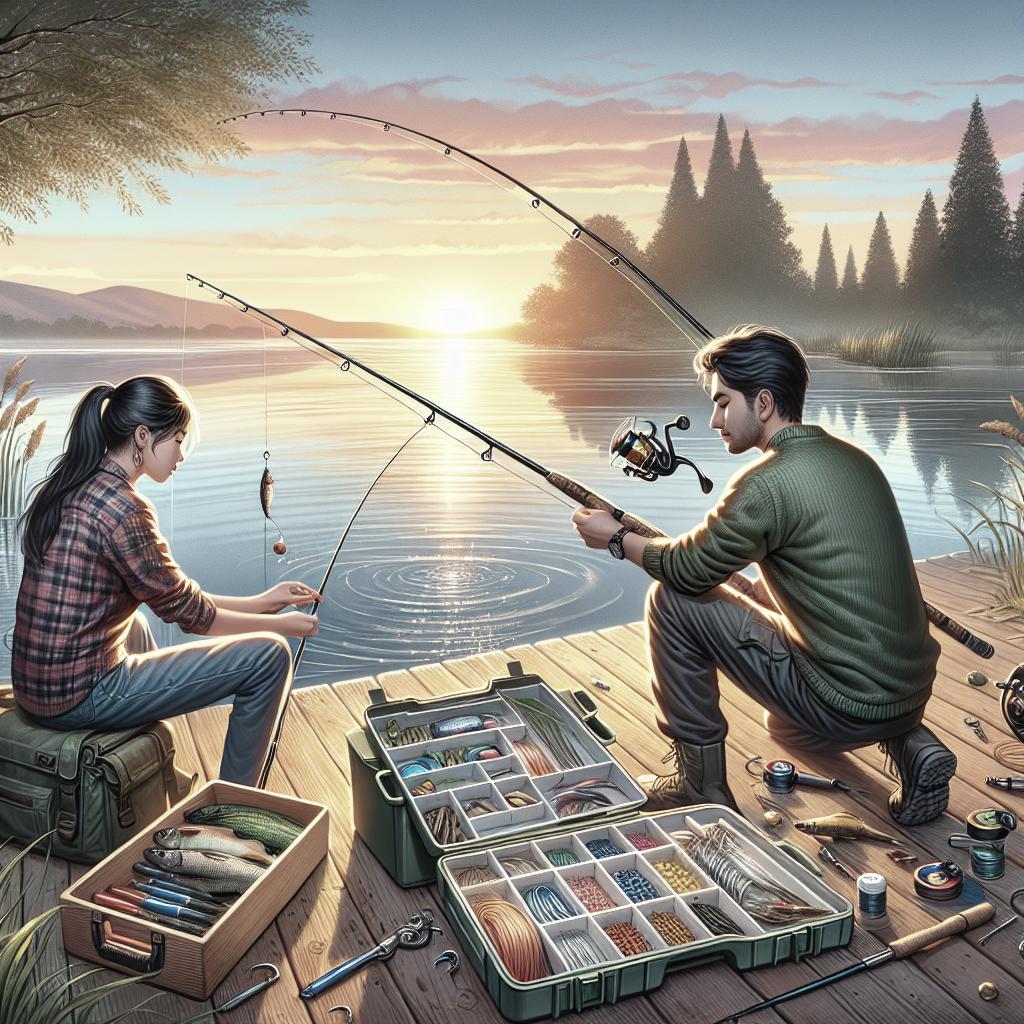
Choosing the right fishing lure color is crucial and can significantly enhance your fishing experience. Lure colors should often match the water’s natural hues or the prey’s typical appearance in the area. On sunny days with clear water, go for natural colors like silver or green. In contrast, on cloudy days or in murky waters, brighter colors such as chartreuse or fluorescent pink can catch a fish’s eye.
Experimenting with different colors can be an enjoyable aspect of fishing as it requires observation and adaptability. By using a variety of colors, you engage with the environment deeply, testing which colors might attract interest or curiosity from fish, even if your goal isn’t to catch them.
2. Fishing Lure Shapes & Sizes
Lure shape and size play a pivotal role in fishing. Smaller lures are typically more versatile and can mimic a wide array of bait fish, which often results in more interaction from fish. On the other hand, larger lures tend to imitate bigger prey, which could incite curiosity from larger fish.
If catching isn’t essential, try experimenting with unusual shapes or sizes to see how they move differently in water. The change in perception and adaptability can be a learning process, providing insights into aquatic life and the behavior of fish.
3. The Right Size Fishing Gear
Whether you’re fishing from a pier, a small boat, or the shoreline, the right size fishing gear matters. A medium-sized rod often proves to be the most adaptable for various fishing situations. Pair it with a reel that feels comfortable in hand and is suitable for the line you’re using.
The gear you choose should complement your style and ease of fishing. As a non-competitive fisherman, prioritizing comfort and flexibility in your equipment allows longer, more leisurely fishing sessions.
4. Trolling
Trolling involves slowly moving your lure through the water while traveling by boat. This method allows you to cover large areas and experiment with different depths and lure presentations. It’s an engaging technique that offers a steady rhythm and keeps you observant of changes in fish behavior or water conditions.
As you explore various trolling techniques, such as altering speed or direction, you might notice increased activity around your bait. Even without fishing’s competitive edge, trolling offers a blend of relaxation and focus, making the activity enjoyable.
5. Fishing Line
The choice of fishing line can influence your fishing experience significantly. Monofilament lines are versatile and forgiving, making them ideal for beginners. Conversely, braided lines offer durability and strength but require some practice to master.
When fishing without the aim of catching, experimenting with different line types and weights can deepen your understanding of how lines react in water. This knowledge is useful for preventing line snagging and ensuring a smooth experience on the water.
6. Best Time of the Day for Fishing
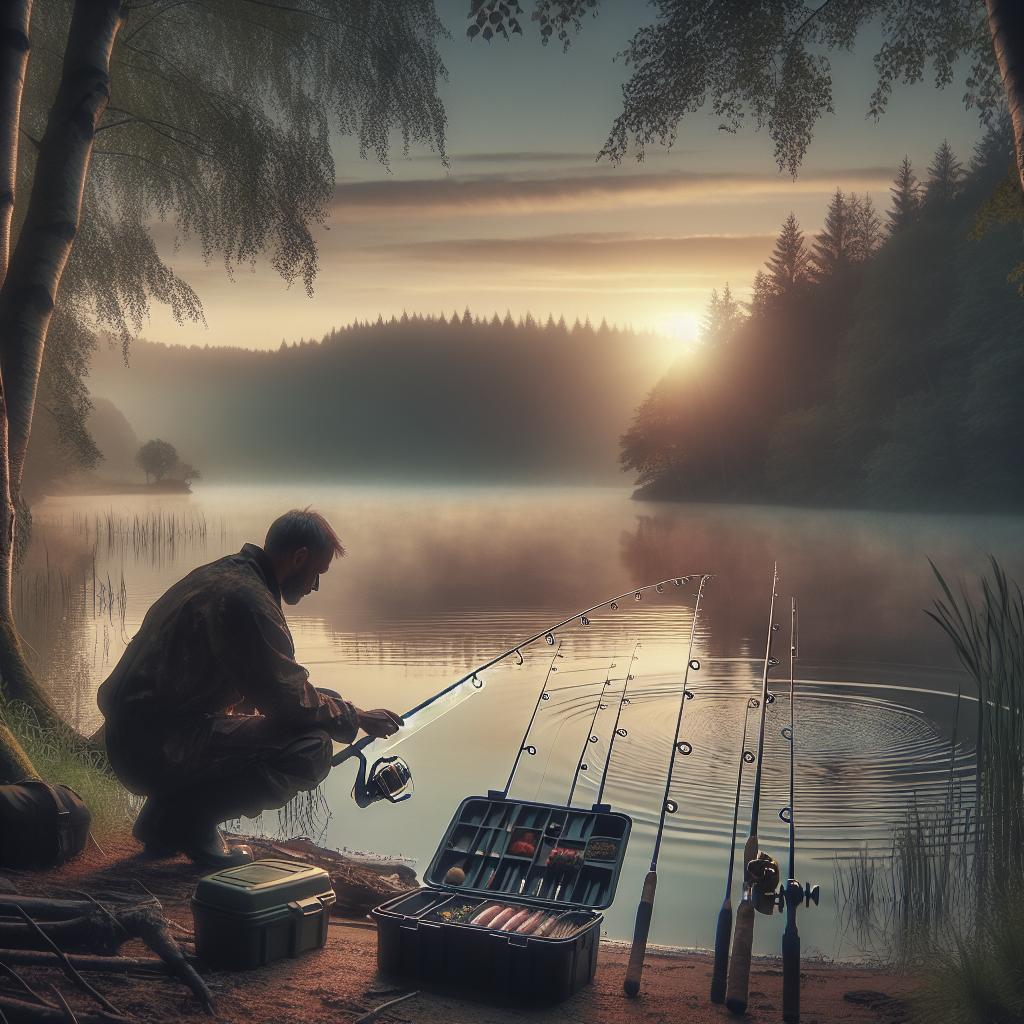
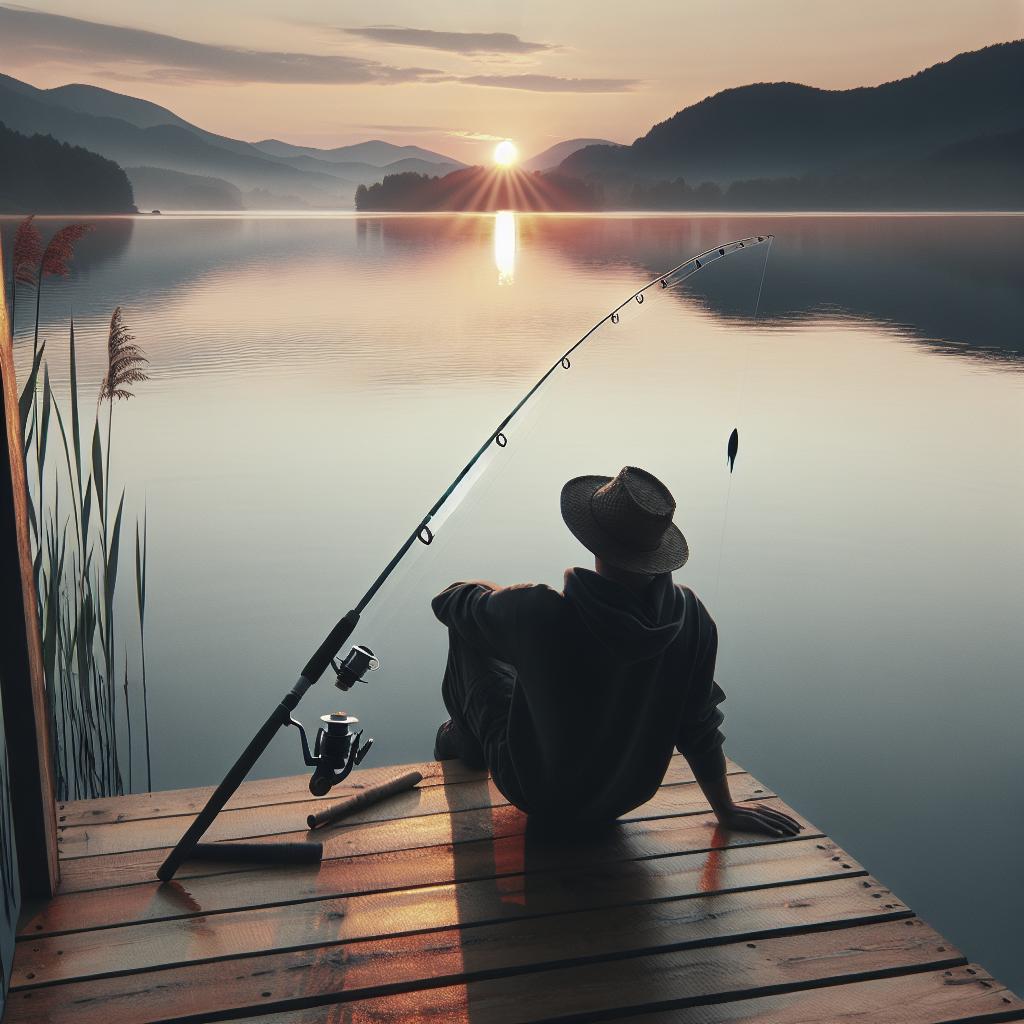
The time of day can greatly affect fishing conditions. Early morning and late afternoon are typically the best times, as fish are more active during cooler parts of the day. These times offer picturesque views and a serene atmosphere, ideal for enjoying a peaceful fishing outing.
Observing how light conditions and temperature changes affect water behavior and fish activity allows you to appreciate the broader environment. Enjoy the tranquility and beauty of nature during these ideal times, regardless of a successful catch.
7. Tides & Currents
Tides and currents play a critical role in fishing, influencing where fish are likely to congregate. Understanding tidal movements helps in determining the best spots to fish, enhancing the potential for fish interactions.
Researching local tide tables or using a tide tracking app can make your fishing trip more predictable and enjoyable. By focusing on how these natural forces impact the underwater world, you can gain a deeper connection with the marine ecosystem.
8. Sharp Hooks
While catching might not be your priority, maintaining sharp hooks is still necessary. Sharp hooks ensure the lure behaves naturally in the water, maintaining the realism needed for a fully immersive fishing experience.
Regularly checking and sharpening hooks can become a mindful task that keeps you engaged and in tune with your gear. The attention paid to such details can result in a rewarding appreciation of the craftsmanship and mechanics involved in fishing.
9. Reel Drag
Setting the correct reel drag is essential because it ensures that your line releases smoothly when a fish pulls. This setup not only prevents line breakage but also allows for easier maneuvering of your gear.
Taking the time to adjust and understand the nuances of reel drag places emphasis on the technical aspect of fishing. The process enhances your control over the tackle, making the sport more engaging even without focusing on catches.
10. Do Your Research
Understanding the fishing environment is vital. Researching local fish species, water conditions, and optimal techniques can improve your fishing outings. Online forums, local bait shops, and fishing clubs offer valuable insights.
Taking the time to research transforms you into an informed angler and fuels your passion for the sport. Knowledge enriches your experience and fosters a profound respect for aquatic habitats and conservation efforts.
Final Thoughts
| Tip | Key Takeaway |
|---|---|
| Fishing Lure Colors | Adapt colors based on water conditions for better engagement. |
| Fishing Lure Shapes & Sizes | Experiment with different lure shapes and sizes to understand fish behavior. |
| The Right Size Fishing Gear | Choose comfortable and adaptable gear for extended enjoyment. |
| Trolling | Incorporate trolling for an active and exploratory fishing approach. |
| Fishing Line | Select from various line types to gain insight into their performance. |
| Best Time of the Day for Fishing | Utilize early morning and late afternoon for optimal experience. |
| Tides & Currents | Understand and leverage tides for enhanced interaction with fish. |
| Sharp Hooks | Maintain sharp hooks for natural lure presentation and skill engagement. |
| Reel Drag | Properly adjust reel drag for better control and technique mastery. |
| Do Your Research | Study the local environment to enrich knowledge and enjoyment. |
“`