“`html
How to Prevent Fishing Injuries
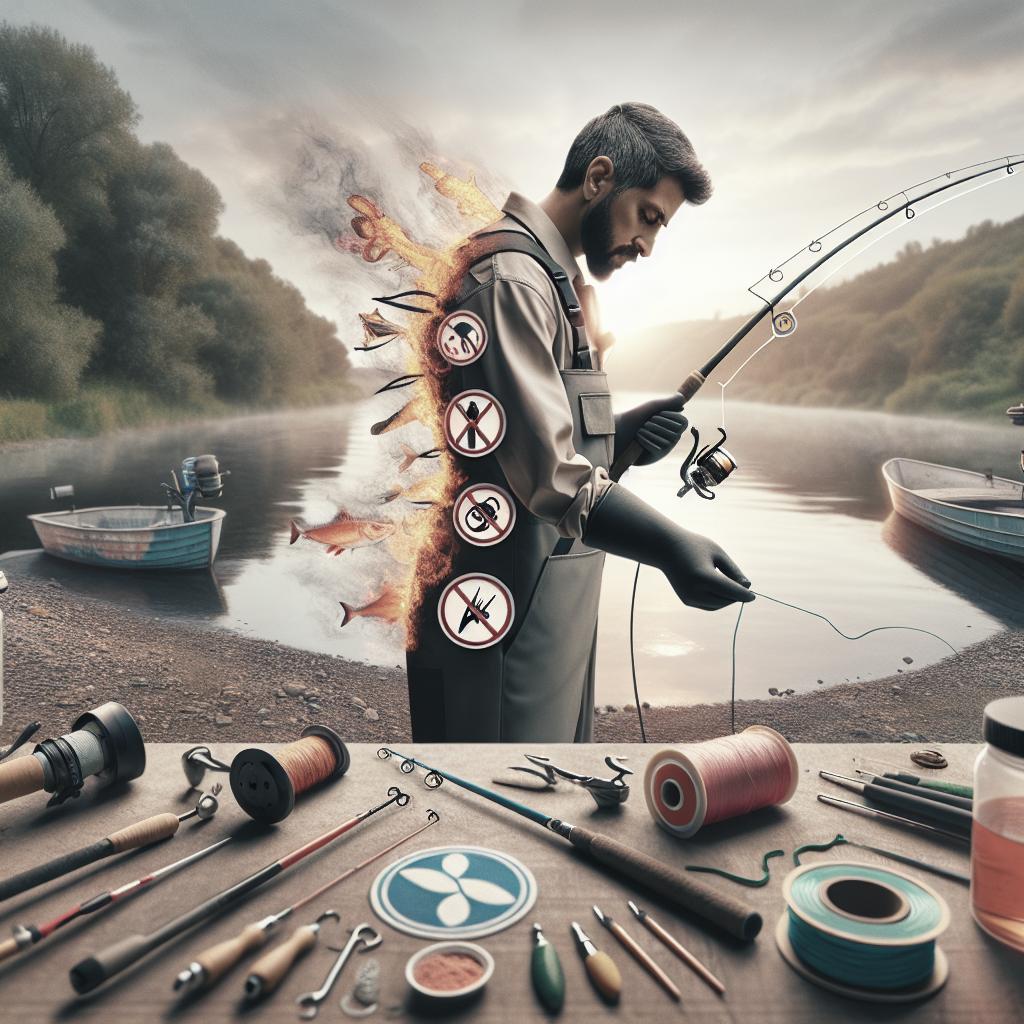
Fishing can be an enjoyable and relaxing way to spend your time, but it’s not devoid of risks. Injuries, both minor and serious, are more common than you might think. From cuts and bruises to back strains and even hook-related injuries, there are several ways fishermen can get hurt. This guide is designed to help you prevent these injuries. By paying attention to what you eat, preparing your body before heading out, and listening to your body’s signals, you can significantly reduce your risk of injury. Moreover, knowing how to handle your equipment safely, especially hooks, is vital. Dive into this guide to learn how to fish safely and enjoyably.
Featured Videos
1. Eat Right & Heal Your Guts
Eating the right foods is not just about enhancing your overall health; it directly boosts your body’s resilience to injuries. A diet rich in anti-inflammatory foods, like fish rich in omega-3 fatty acids, leafy greens, and nuts, can significantly reduce the risk of inflammation-related injuries. Additionally, consuming fruits and vegetables packed with antioxidants can help your body heal more efficiently, should you experience minor injuries.
It’s also important to maintain a balanced intake of proteins, carbohydrates, and fats as they provide the essential nutrients your body needs to perform optimally. Avoiding processed foods and sugary snacks limits unnecessary strain on your body and contributes to a more effective recovery process. Investing in your diet is an investment in your fishing health and longevity.
2. Stretch Before Fishing
Stretching before fishing is crucial to prepare your body for the physical demands it will face. Gentle stretching of your arms, shoulders, back, and legs can help prevent strains and sprains. Dynamic warm-ups, such as arm circles and light jogging on the spot, can further enhance blood circulation and boost your joint flexibility.
It’s recommended to spend at least 10-15 minutes stretching before starting your fishing excursion. This routine not only helps prevent immediate injuries but also contributes to long-term joint and muscle health. Remember, adopting good stretching habits can make a significant difference in your overall fishing experience.
3. Listen To Your Body
Your body is incredibly communicative, especially when it’s near its limits. Paying attention to any discomfort or pain signals is crucial to prevent more severe injuries. If you feel any unusual pain or strain, it’s vital to take a break, reassess your posture, and if necessary, adjust your fishing techniques.
Adopting proper ergonomics in your fishing position can also prevent compensation injuries often caused by awkward body postures. Regularly checking in with your body’s comfort can save you from injuries that might otherwise go unnoticed until they become more serious.
A Final Word on Hooks
Hooks are indispensable in fishing yet pose significant injury risks if not handled properly. To reduce injury from hooks, always use a pair of pliers or a hook remover to handle fish and hooks, and ensure the hooks are secured when transporting your equipment. Using safer hook designs, such as barbless hooks, can also minimize the damage if accidents occur.
Moreover, developing good habits, like keeping your fishing area organized and being mindful of where you leave your hooks, are simple ways to reduce unnecessary risks. Your awareness and precaution are your best defenses against hook-related injuries.
EDIT: Just Posted a Video with TWO Major WARNINGS FOR ALL FISHERMEN – YOU NEED TO WATCH THIS!
Recently, I uploaded a video detailing two critical warnings for fellow fishermen, focusing on safety and injury prevention. The video covers essential aspects such as keeping your fishing area uncluttered and always being vigilant about weather and water condition changes that may impact your safety.
Recognizing the value of visual guidance, the video provides demonstrative tips on safely handling fishing gear and anticipating potential hazards out on the water. Watching this video could be instrumental in cultivating a safer fishing environment both for yourself and others around you.
Worth Checking Out
Share this
If you find this guide useful, feel free to share it with your fellow fishing enthusiasts. Let’s build a more informed and safer fishing community, one informed angler at a time.
Like this
If you enjoyed the insights shared in this blog post, please give it a like and consider subscribing for more content related to fishing safety and enjoyment. Your feedback is always appreciated.
2 Responses
We welcome your thoughts and experiences related to preventing fishing injuries. Don’t hesitate to engage with us and other readers. Together, we can ensure every fishing trip is an enjoyable and safe one.
What do you think? Cancel reply.
Your opinions matter! Leave a comment or a question below this post and contribute to a richer discussion about fishing safety and risk prevention.
Lessons Learned
| Key Tips | Details |
|---|---|
| Eat Right & Heal Your Guts | Focus on anti-inflammatory foods and balanced nutrition for enhanced recovery and injury prevention. |
| Stretch Before Fishing | Regular stretching protects against strains and enhances joint flexibility. |
| Listen To Your Body | Heed discomfort signals to prevent severe injuries and ensure proper ergonomics. |
| A Final Word on Hooks | Practice safe handling and organization of hooks to minimize injury risks. |
“`